County / Regional Science Fair
The intial competition to qualify for state and national fairs. In our area: the Contra Costa County Science and Engineering Fair, or Alameda County Science and Engineering Fair (HITACHI). Win here to qualify upward.
In AI Foundations, across two weeks, students will go from zero to building, training, and evaluating their own machine-learning model on real data - the same process used by award-winning student researchers at the International Science and Engineering Fair and the Thermo Fisher Junior Innovators Challenge. Sign up below!
3rd in the world at ISEF 2026 and Top 30 at the Thermo Fisher JIC - using the machine learning techniques students will learn in camp.
Yookta has run the AI Explorers club at Quarry Lane School for the past year. The camp's curriculum is based on this experience.
By the end of the two weeks every camper trains a model on a real dataset and presents their results, for a full mini science-fair experience.
Students start with learning the basics of Python and Python related to AI, such as NumPy and Pandas libraries to process data. Then, students will be introduced to different types of machine learning models and tasks they can perform, as well as the difference between machine learning and deep learning. The week wraps with students picking out a real-world question and a dataset they can use to train an AI model to answer this question.
In week two, each camper uses the real-world question and dataset they found, then builds, trains, and debugs their own classifier with mentor support. They compare model architectures, tune features, and watch their accuracy climb between trials. The final two days are spent preparing a science fair-style presentation, with background, methods, and results, and presenting the project to their peers on the last day.

ISEF 2026 Grand Award winner · Thermo Fisher JIC Top 30 Finalist · Year-long instructor of the Quarry Lane AI Explorers Club.
AI Foundations helps prepare the skills middle schoolers need (data thinking, model training, evaluation, project presentation) to directly start competing for biggest pre-college STEM competitions in the country. We will go through the full research process, starting with developing an idea, then building a model, rigorously testing it, and presenting on the last day. Here are some competitions structured this way:
The intial competition to qualify for state and national fairs. In our area: the Contra Costa County Science and Engineering Fair, or Alameda County Science and Engineering Fair (HITACHI). Win here to qualify upward.
California's state-level science fair, drawing the strongest projects from county and regional fairs across the state for category-by-category judging.
The premier national STEM competition for 6th–8th graders. Top 30 finalists travel to Washington, D.C. for a week of team challenges and judged projects.
The world's largest pre-college STEM competition - roughly 1,800 finalists from 70+ countries gather each May with original research projects across 22 categories.
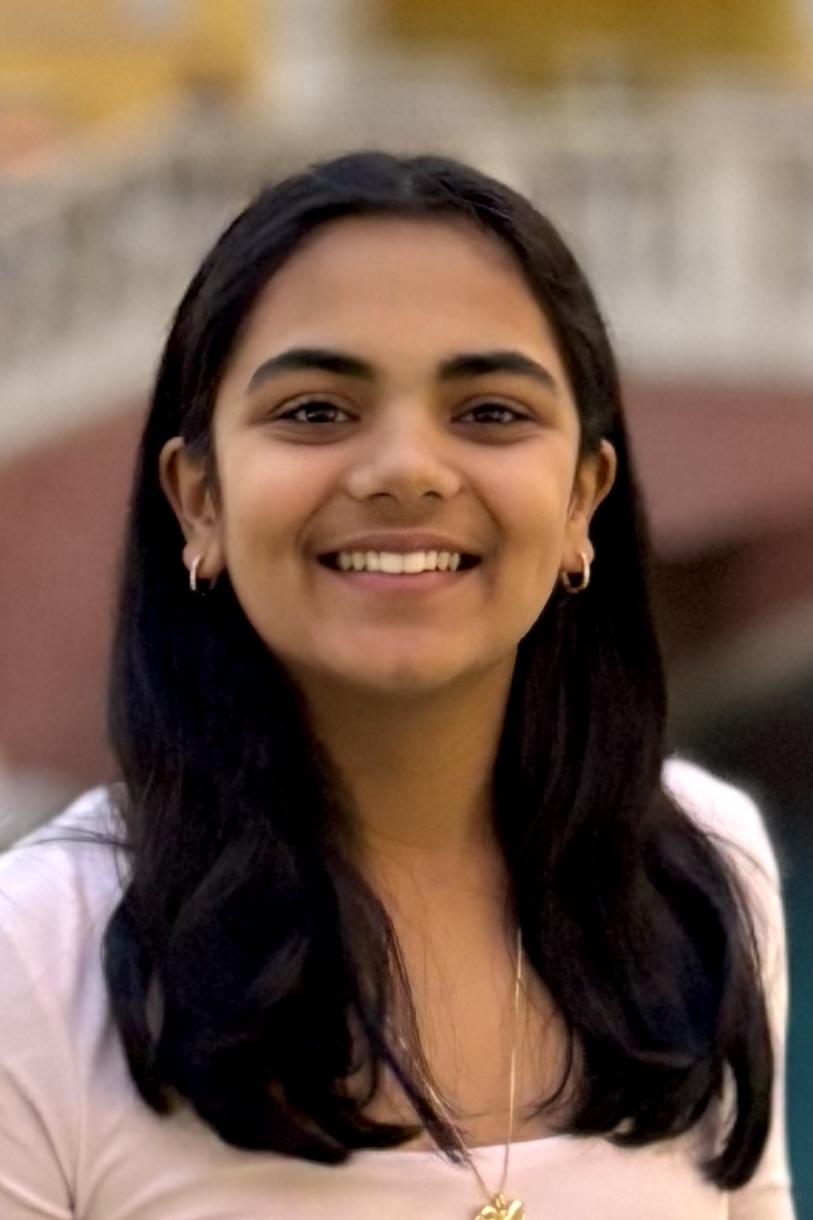
I'm Yookta - a student researcher at Quarry Lane School in Dublin, CA. Over the last two years I've built machine-learning models that detect neurological conditions earlier, from dyslexia in MRI scans to seizures in real-time signals from wearables. For the past year, I've also run the AI Explorers club at Quarry Lane, teaching middle schoolers the fundamentals of machine learning every week. This summer, I'm bringing that same approach to my AI Foundations summer camp.